Oral Health in Parkinson’s Disease: Why Regular Dental Check-Ups Matter

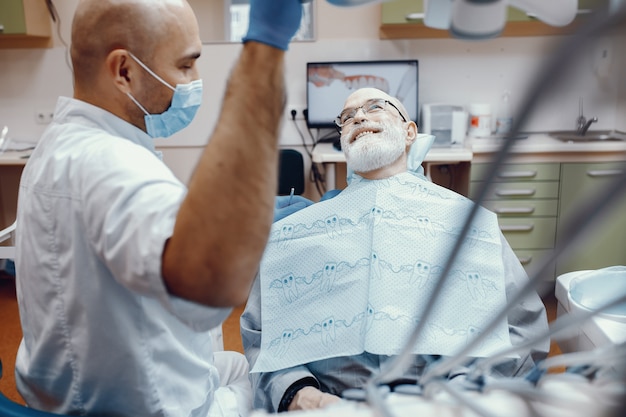
Regelmäßige zahnärztliche Kontrolle bei älteren Patientinnen und Patienten

Oral Health in Parkinson’s Disease: Why Regular Dental Check-Ups Matter

Parkinson’s disease does not only affect mobility, but can also have a significant impact on oral health. Many people living with Parkinson’s experience difficulties with daily oral hygiene, chewing, or swallowing. In addition, medication side effects such as dry mouth or increased saliva production may occur. As a result, the risk of tooth decay, gum inflammation, periodontitis, and other oral health problems can increase.

Why Parkinson’s Disease Can Make Dental Care More Difficult

Typical symptoms such as tremor, muscle stiffness, and slowed movements can make thorough tooth brushing much more difficult. Fine motor tasks, including using a toothbrush, dental floss, or interdental brushes, may become increasingly challenging as the disease progresses. This can lead to a build-up of plaque, which in turn raises the risk of inflammation and dental damage.

Many affected individuals also report difficulties with chewing and swallowing. Swallowing disorders are not uncommon in Parkinson’s disease and may impair both food intake and the mouth’s natural self-cleaning processes. Medical literature also suggests that reduced oral and swallowing function may increase the risk of further complications.

Why Regular Dental Visits Are Important

In chronic neurological conditions, it is especially important to identify oral health problems at an early stage. Small areas of inflammation, pressure sores, tooth decay, or gum discomfort are often noticed late in everyday life, particularly when other health concerns are more pressing. Regular dental check-ups and professional preventive care can help detect such changes early and prevent more serious consequences.

Scientific literature therefore recommends that oral health in Parkinson’s disease should not be seen as a minor issue, but rather as an integral part of comprehensive care. Good cooperation between neurology, general practitioners, caregivers, and dental professionals can significantly improve quality of life for affected individuals.

Tips for Patients and Caregivers

Even small practical measures can make a big difference in everyday life. Electric toothbrushes are often easier to use than manual ones. Adapted handles or supportive tools may also help make oral hygiene easier. In cases of dry mouth, medical or dental advice should be sought early to determine appropriate measures. Difficulties with swallowing or frequent choking episodes should also be addressed so that further assessment and support can be provided if needed.

Caregivers often play an important role in this context. They can support daily oral hygiene when it becomes difficult and help ensure that dental appointments are attended regularly. Especially as the disease progresses, structured support in daily life can become essential.

Our Advice for Patients in Duisburg

If you have questions about oral health in connection with neurological conditions, regular dental co-management may be beneficial. For patients in Duisburg, it may be helpful to consult a nearby dental practice offering modern preventive care and individualized support. Further information can be found at Hussam Amayri Dental Practice in Duisburg.

Conclusion

Parkinson’s disease can affect oral health in several ways: through reduced fine motor skills, difficulties with daily oral hygiene, swallowing problems, and possible medication side effects. This makes early education, practical daily support, and regular dental check-ups all the more important. Oral health should therefore be considered a fixed part of holistic care for neurological patients.

Would you like to learn more?
Do you have questions about oral health?